This post contains affiliate links. We may earn a small commission when you buy through our links — at no extra cost to you.
Many parents find that toddler shoes either slip off or fall apart before the child outgrows them. Sizing varies wildly between brands, and a shoe that looks sturdy online can lose its sole within weeks. This guide focuses on shoes that balance flexibility for new walkers with enough structure to stay put—and ones that don’t require replacing every month. We’ve selected options that prioritize a secure fit, easy on/off, and materials that actually hold up. Whether your child has narrow or chunky feet, there’s a pair here that won’t leave you frustrated. The right shoe means fewer trips to the store and more time watching your toddler take confident steps.

Best for Wide Feet
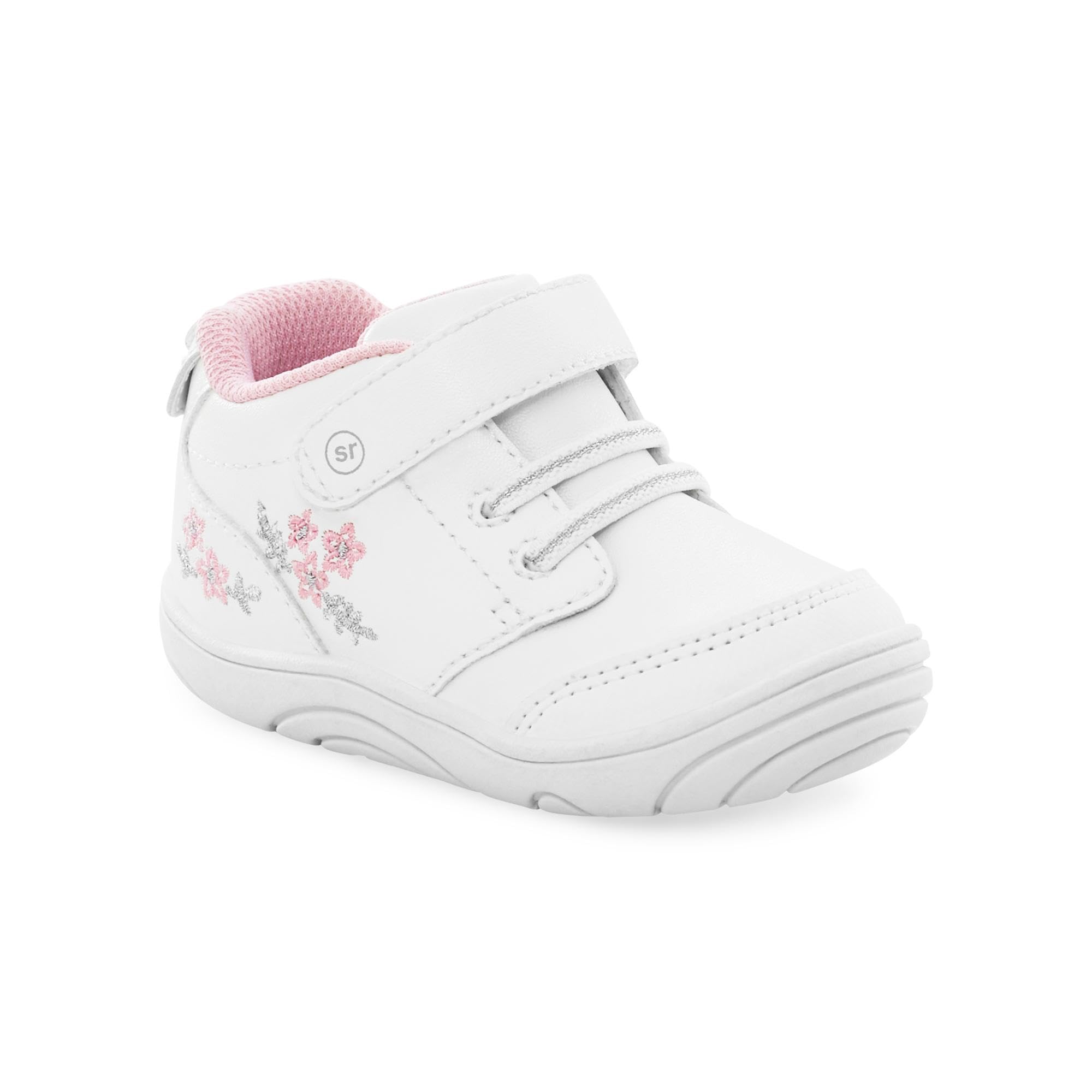
Stride Rite 360 Taye 2.0
Rating: 4.8 ★ | Price: Mid-Range | Ease of On/Off: Hook-and-loop strap | Toe Box Width: Wide | Durability: Sole separation
The flexible sole and removable insole allow natural foot movement while accommodating wide feet, and the hook-and-loop strap adjusts easily and stays fastened during active play. Breathable materials keep little feet cool, and the design makes putting shoes on a quick, frustration-free task for parents.
Best for new walkers and toddlers with wider feet who need a comfortable, supportive shoe for everyday indoor and outdoor use. A minority of buyers report sole separation within a month, so it’s less suited for rough-and-tumble play where long-term durability is critical.
Pros
- Excellent fit for wide feet – accommodates chunky or high-volume feet comfortably.
- Breathable, soft material keeps feet comfortable during all-day wear.
- Easy on/off with hook-and-loop strap that stays secure during movement.
Cons
- Inconsistent durability – some pairs experience sole separation within a month of use.
Buy this if your toddler has wide feet and is just starting to walk or needs a comfortable, easy-on shoe for daily wear. Skip it if your child is very active and you need a shoe that will hold up to heavy rough-and-tumble play.
Best for Natural Feet
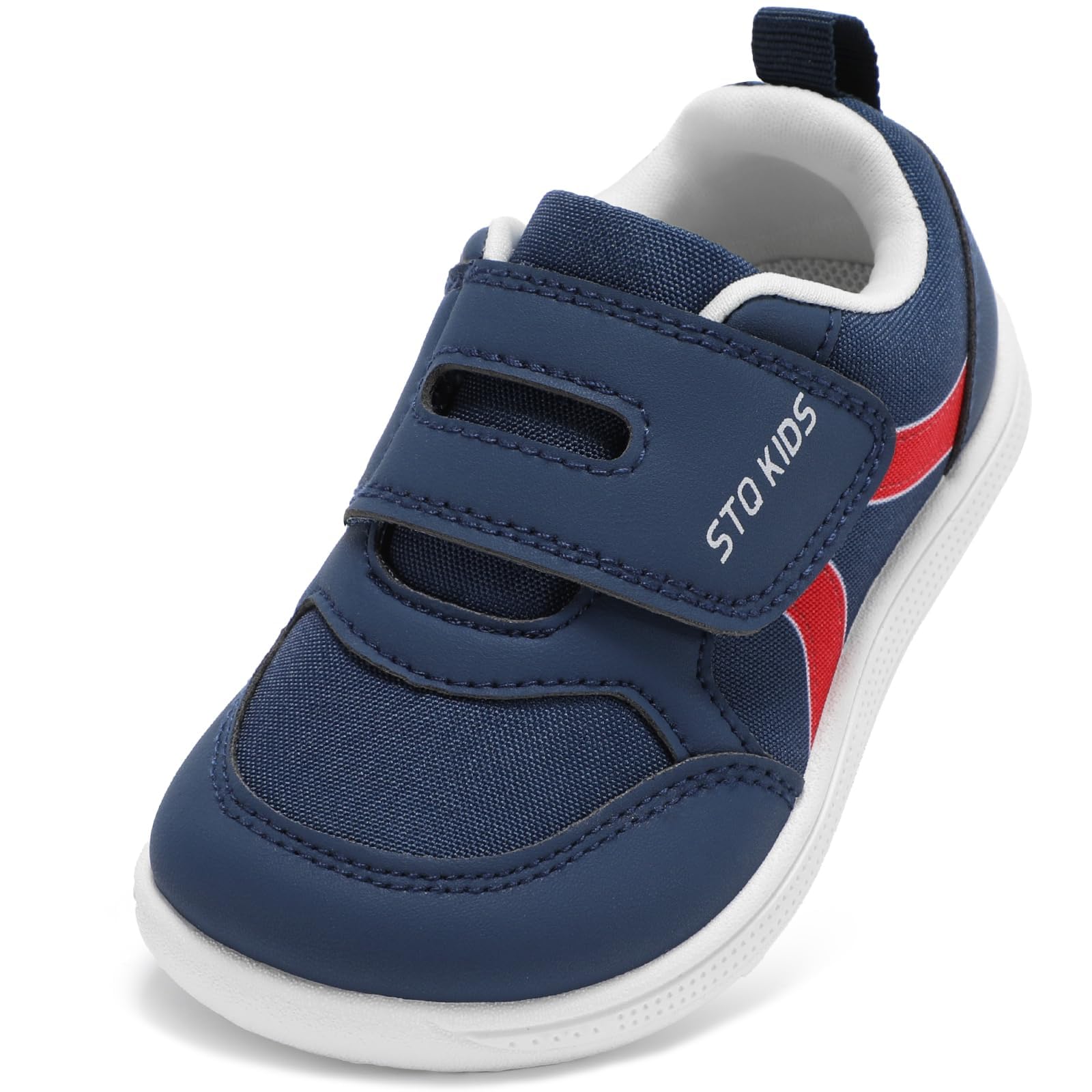
STQ KIDS Barefoot Shoes
Rating: 4.7 ★ | Price: Budget | Ease of On/Off: Hook-and-loop | Toe Box Width: Wide | Durability: Scratches/wear
The STQ KIDS Barefoot Shoes stand out for their wide toe box and zero-drop, flexible sole that allow natural foot movement – a key advantage for new walkers and toddlers with wide feet. The lightweight construction and easy hook-and-loop closure make them simple to put on. However, durability is a trade-off: some families report scuffs and wear faster than expected, so these are best for everyday play rather than rough terrain. Ideal for parents seeking a barefoot-style shoe without spending top dollar.
Pros
- Wide toe box allows natural foot splay
- Flexible sole promotes natural movement
- Lightweight and comfortable for all-day wear
Cons
- Durability can be inconsistent – some report scuffs and wear faster than expected
- Limited color options compared to competitors
Buy this if you want a budget-friendly barefoot shoe that supports natural foot development for toddlers with wide feet. Skip it if you need a shoe that can withstand heavy outdoor play or if durability is your top priority.
Best for Budget Daycare
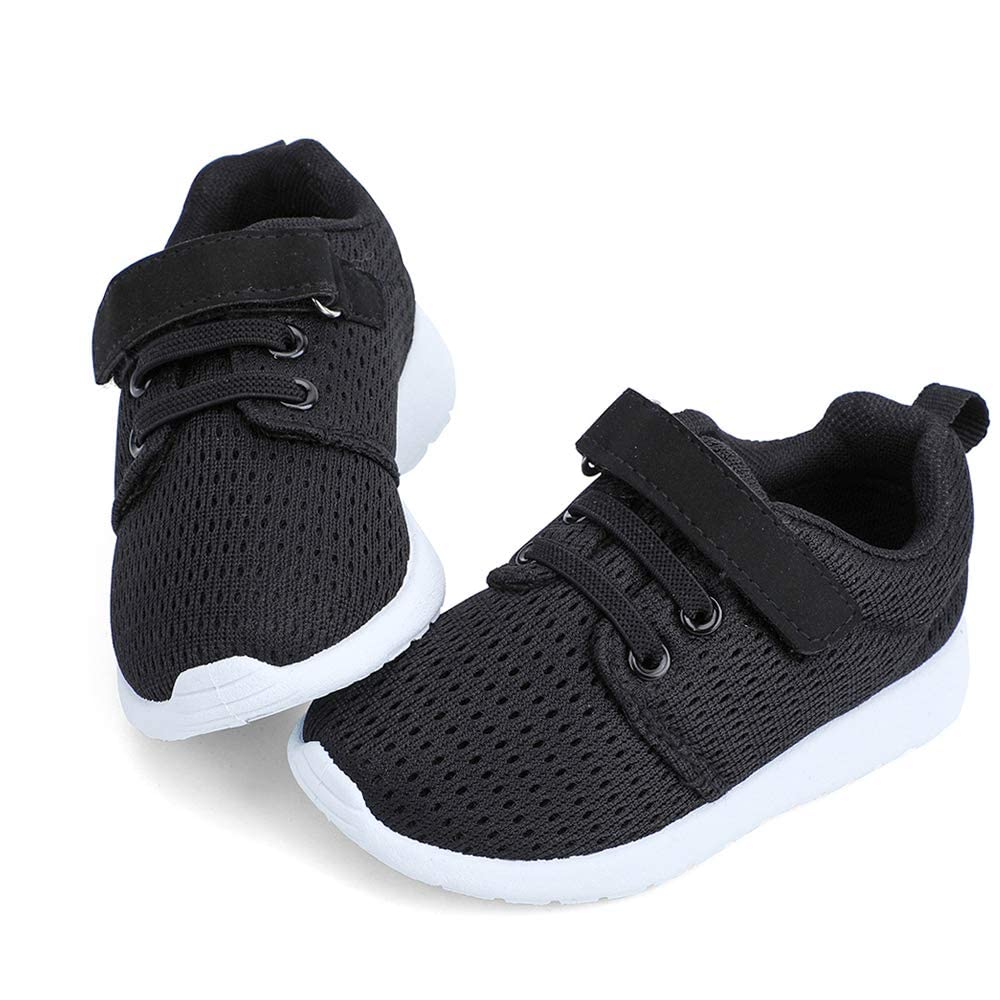
HIITAVE Toddler Sneakers
Rating: 4.6 ★ | Price: Budget | Ease of On/Off: Hook-and-loop strap | Toe Box Width: Wide | Durability: Sole cracking/stitching | Traction: Anti-slip
The HIITAVE Toddler Sneakers deliver strong comfort and lightweight design at a budget price, making them a smart pick for daycare or backup use. The wide toe box accommodates growing feet, and the hook-and-loop strap ensures quick changes. However, compared to the top pick Stride Rite, durability is less consistent – some pairs develop sole cracks or stitching issues within weeks. These shoes are best for parents who prioritize soft cushioning and easy on/off over long-term wear, especially for indoor or light outdoor activities.
Pros
- Exceptional value for money – budget-friendly without sacrificing comfort.
- Soft interior with cushioning that kids find comfortable.
- Hook-and-loop strap makes them easy for toddlers to get on and off.
Cons
- Durability varies – some pairs show sole cracking or stitching failure within weeks.
Buy this if you need an affordable, lightweight backup shoe for daycare or indoor use and are comfortable with replacing them if they wear out quickly.
Best for Style, Narrow
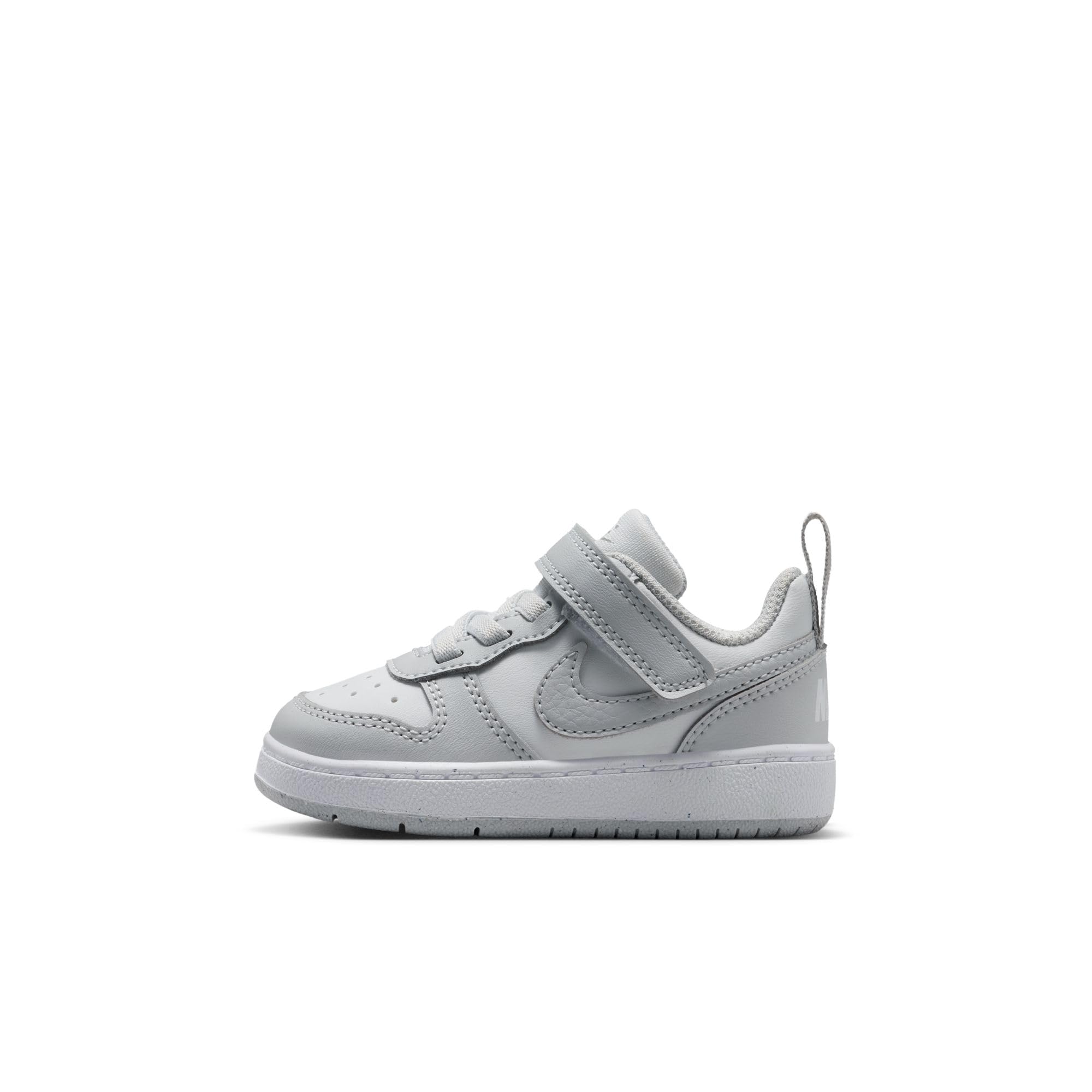
Nike Court Borough Low
Rating: 4.7 ★ | Price: Premium | Ease of On/Off: Hook-and-loop straps | Toe Box Width: Narrow
Unlike the flexible, wide-friendly Stride Rite, the Nike Court Borough Low Recraft is built for style and long-term wear. The synthetic leather upper and sturdy rubber sole hold up through active play, and the classic low-top design appeals to kids and parents alike. This shoe works best for toddlers ages 2 and up with narrow feet who have outgrown the need for maximum sole flexibility. However, the fit runs small and narrow—plan to order a full size up, and skip it entirely if your child has wide feet or is still a new walker, as the stiffer construction won’t support natural foot development.
Pros
- High-quality synthetic leather and mesh upper resist wear
- Classic Nike styling that kids enjoy wearing
- Cushioned comfort for extended daily wear
Cons
- Runs small—requires ordering a full size larger
- Narrow fit limits use for children with wide feet
Buy this if your narrow-footed toddler needs a durable, stylish sneaker that holds up over time. Skip it if your child has wide feet or is still learning to walk.
Best for Wide Feet
LeIsfIt Barefoot Shoes
Rating: 4.5 ★ | Price: Budget | Ease of On/Off: Slip-on with elastic laces | Toe Box Width: Wide | Durability: Heel tearing
The LeIsfIt barefoot shoe stands out for its genuinely wide toe box and flexible, zero-drop sole at a price that undercuts most alternatives. Unlike the top barefoot pick, this one prioritizes value and independent dressing—kids can pull them on themselves thanks to the stretchy knit and elastic laces. Parents report comfortable all-day wear for toddlers with wide feet. The trade-off comes in the heel area, which can tear after a few weeks of regular play, and sizing tends to run large, so order down. Best suited for daycare or indoor use where heel stress is minimal.
Pros
- Wide toe box accommodates chunky feet comfortably.
- Flexible and lightweight sole allows natural movement.
- Easy slip-on design that toddlers can manage themselves.
Cons
- Heel area can tear after a few weeks of active use.
- Sizing runs large—consider ordering down a half size.
Buy this if you need a budget-friendly, flexible barefoot shoe for a toddler with wide feet who can slip shoes on independently. Skip it if your child is rough on heels or drags their feet—the heel may not hold up.
Best for Style, Narrow
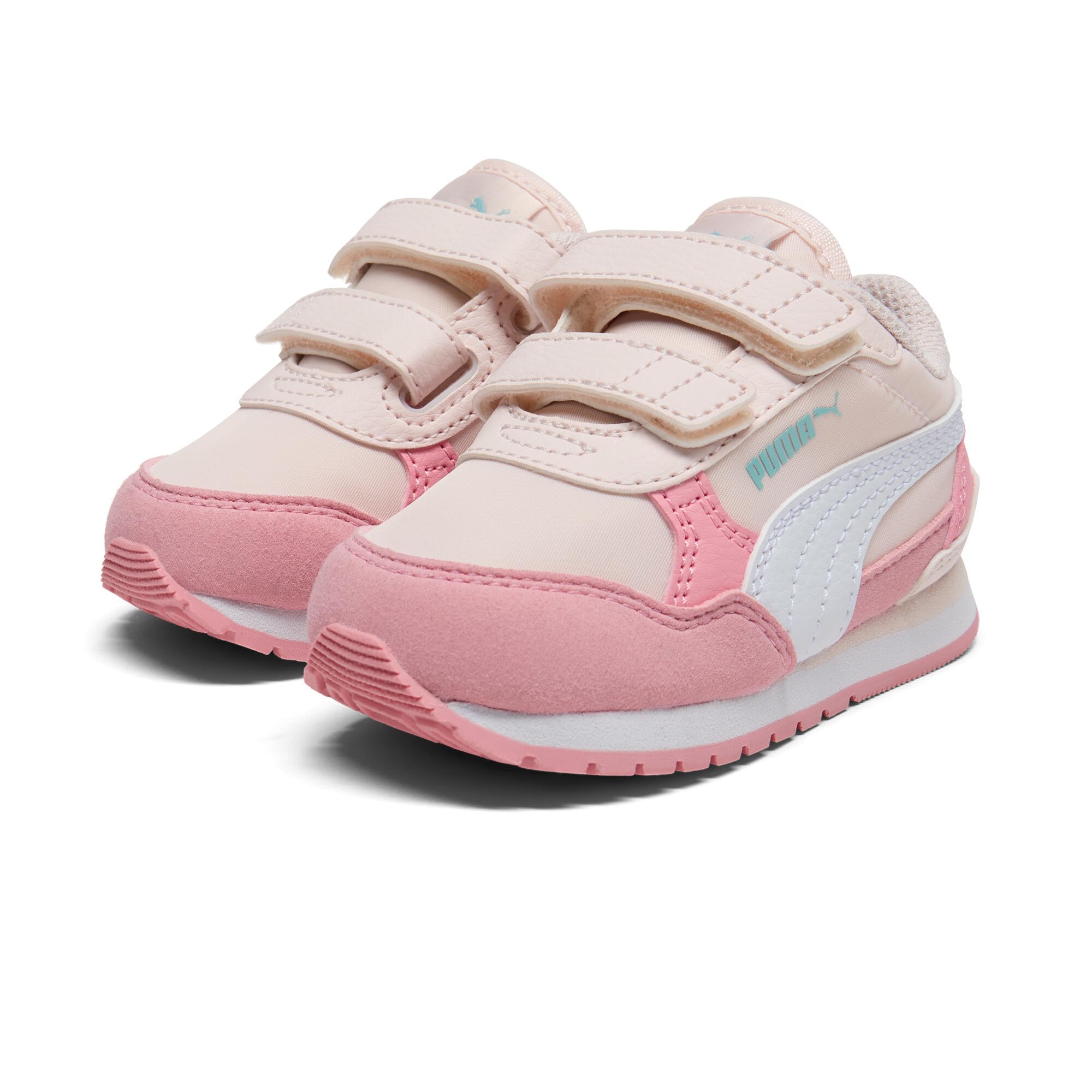
Puma St Runner Hook & Loop
Rating: 4.6 ★ | Price: Mid-Range | Ease of On/Off: Hook-and-loop (adjustable) | Toe Box Width: Narrow | Durability: Sole separation | Traction: Traction rubber
The Puma St Runner Hook & Loop pairs brand styling with a well-built synthetic leather and textile upper, plus rubber traction that holds up to active play. The hook-and-loop closure makes getting shoes on quick, and the lightweight design keeps toddlers comfortable during running and jumping. But the fit runs narrow and small – parents consistently need to size up, and wide-footed kids will find the toe box too tight. Some reports mention sole separation over time, so inspect them regularly. This is a solid choice for style-conscious parents whose child has a narrow foot, but it’s not a universal fit.
Pros
- Stylish appearance that toddlers and parents appreciate
- Easy hook-and-loop closure for quick on/off
- Comfortable for running and jumping during active play
Cons
- Narrow fit and small sizing – requires sizing up, not for wide feet
- Occasional durability issues with sole separation after extended use
Buy this if you want a stylish, well-built sneaker for a toddler with narrow feet and you’re comfortable sizing up. Skip it if your child has wide feet or you prefer a roomier fit.
Best for First Walkers
BMCiTYBM First Walkers
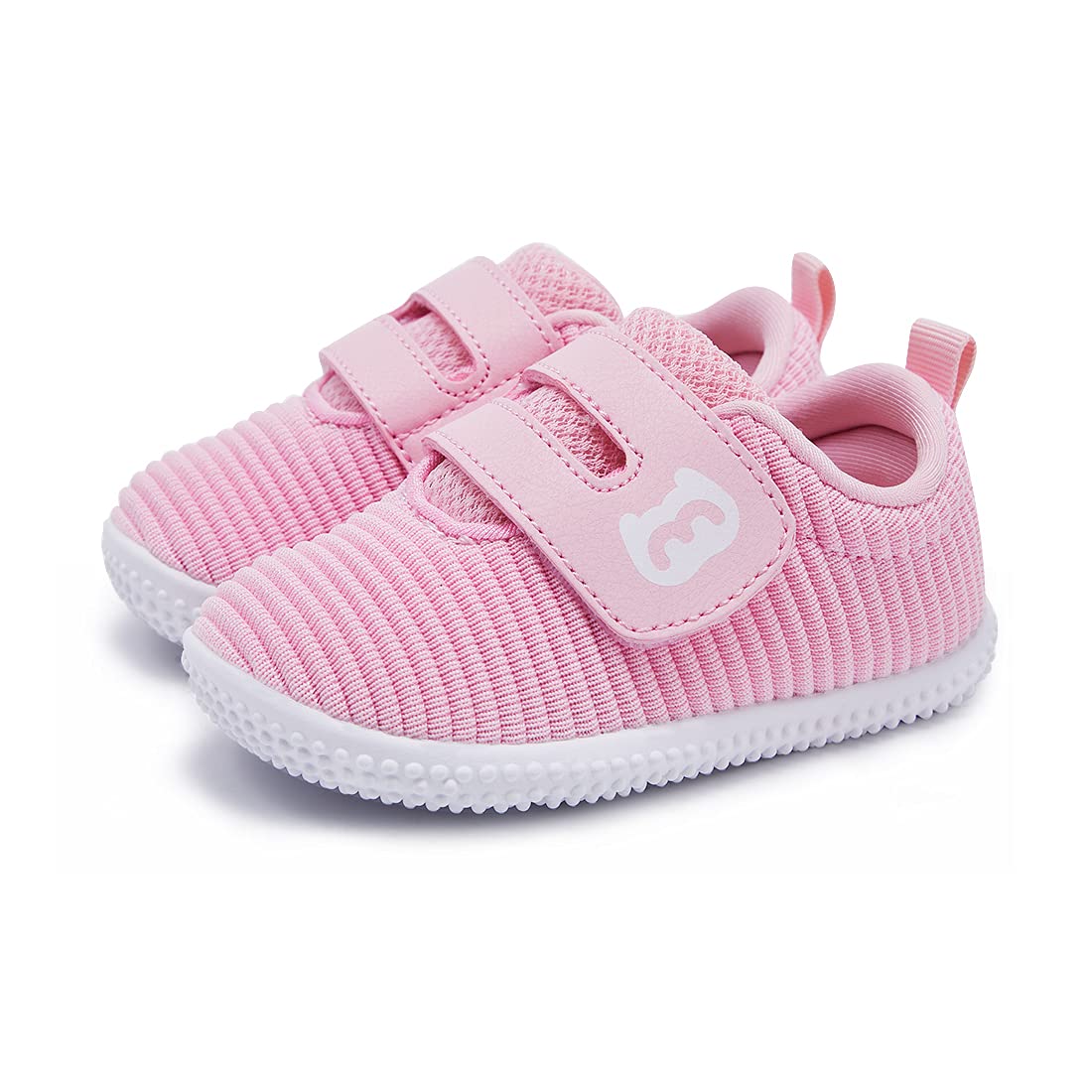
Rating: 4.5 ★ | Price: Mid-Range | Ease of On/Off: Hook-and-loop strap | Toe Box Width: Wide | Traction: Non-slip
Good flexibility and soft cushioning make this a comfortable starter shoe for new walkers, and the wide toe box accommodates chubby feet. The rubber toe protection handles indoor and outdoor wear. However, the Velcro strap can lose grip over time, causing shoes to slip off, and sizing varies between batches — check fit carefully.
Pros
- Flexible sole and soft cushioning for first walkers
- Wide toe box works well for chubby feet
Cons
- Velcro strap loses grip over time – shoes come off easily
- Sizing can be off – runs large or tight depending on batch
Worth considering if you need an affordable, flexible first-walker shoe and are willing to watch for fit variations and eventual Velcro wear.
Best for Summer Chunky Feet
BMCiTYBM Mesh Sneakers

Rating: 4.6 ★ | Price: Mid-Range | Ease of On/Off: Velcro straps (top and back) | Toe Box Width: Wide | Traction: Non-slip
The mesh upper keeps feet cool, and the wide toe box gives chunky feet room to spread. The top and back Velcro straps make on/off easy. However, sizing runs big in some sizes, and the back strap may not hold the heel securely, leading to slippage. Measure carefully before buying.
Pros
- Breathable mesh keeps feet cool in warm weather
- Wide toe box gives chunky feet space to move
Cons
- Sizing is inconsistent – runs big in some sizes
Worth considering if your toddler has chunky feet and needs a cool, lightweight shoe for summer, but be prepared to measure carefully and possibly size down.
Best for Active Kids
KUBUA Kids Running Shoes

Rating: 4.5 ★ | Price: Mid-Range | Ease of On/Off: Hook-and-loop strap | Toe Box Width: Narrow | Durability: Sole separation, Velcro fail | Traction: Tread
These KUBUA sneakers offer good arch support and bright colors that appeal to active school-age kids. However, durability can be inconsistent and the fit runs narrow, making them better suited for older children rather than toddlers with wide feet or new walkers. The mid-range price is fair for the features, but expect to replace sooner if used daily for rough play.
Pros
- Vibrant colors that kids love.
- Comfortable with good arch support.
Cons
- Fit runs narrow – not ideal for wide feet.
Worth considering if your school-age child needs arch support and enjoys bright colors, and you’re prepared for possible durability issues.
Best for Occasions
HsdsBebe PU Leather Walkers

Rating: 4.5 ★ | Price: Budget | Ease of On/Off: Hook-and-loop strap | Toe Box Width: Wide | Durability: Stitching/sole failure
This budget-friendly moccasin wins on looks with dozens of adorable patterns and a soft interior that early walkers seem to like. The hook-and-loop strap makes it easy to slip on. But durability is the dealbreaker: stitching and sole separate within weeks, and the fit runs large and wide, so it’s not a shoe for daily active walking. Reserve it for special occasions or quick indoor use where you can swap it out before it falls apart.
Pros
- Cute patterns that babies love to look at
- Soft interior and easy hook-and-loop closure
Cons
- Stitching and sole come apart within weeks of use
Worth considering if you need an affordable, cute shoe for photos or short indoor sessions and plan to replace it after a few wears.
Best for Indoor Pre-Walkers
Bearbay Sock Shoes
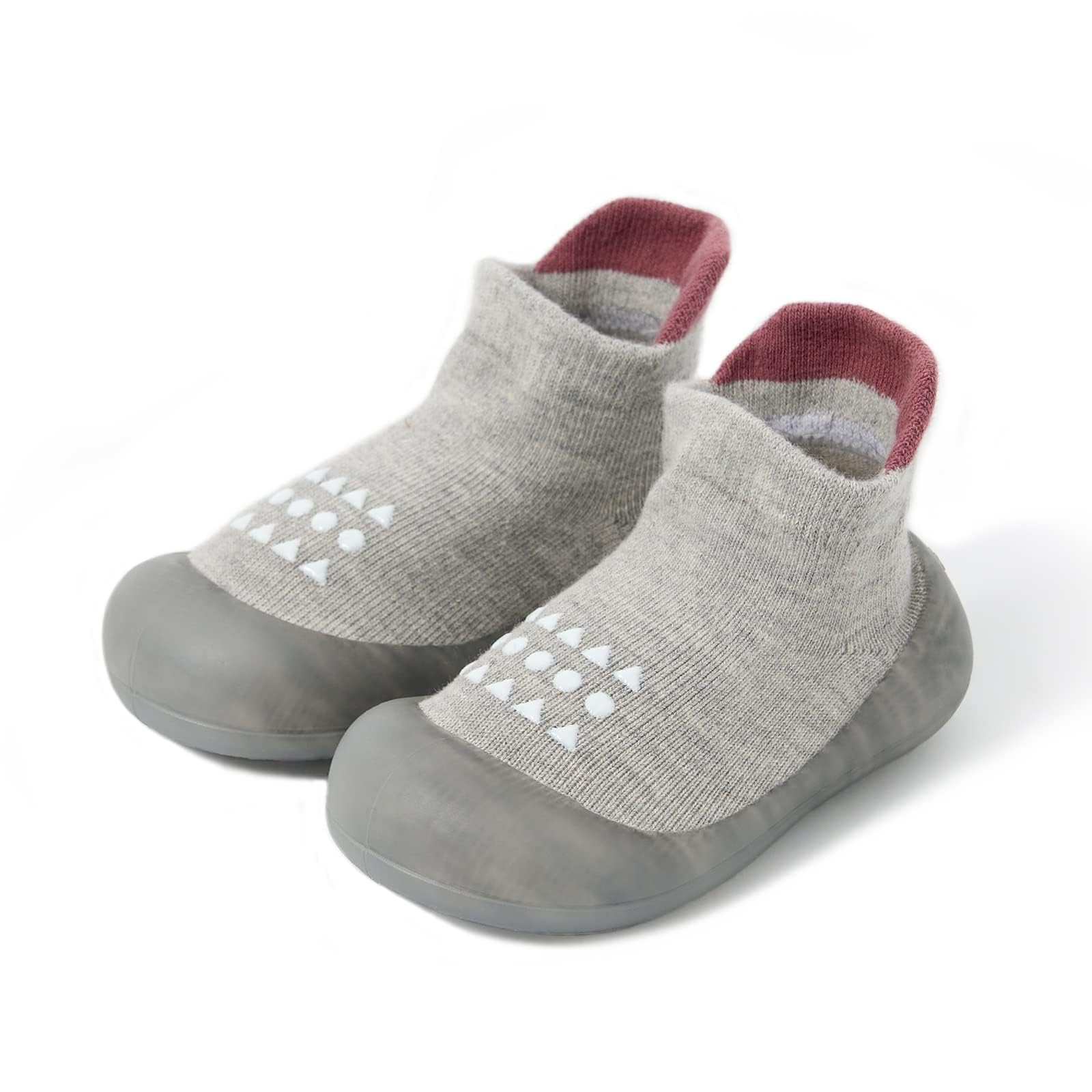
Rating: 4.5 ★ | Price: Budget | Ease of On/Off: Slip-on sock style | Traction: Non-slip
Great for pre-walkers and chunky feet with its stretchy knit and sock-like ease. However, the heel isn’t secure – shoes slip off during active walking, and sizing runs large, limiting use to stationary play or crawling.
Pros
- Easy to pull on like a sock – no fuss for quick changes.
- Comfortable and flexible for little feet that are still crawling.
Cons
- Shoes slip off easily – the heel isn’t secure during walking.
- Sizing runs large – plan to size down for a snug fit.
Worth considering if your baby is still crawling or pre-walking and has chunky feet – skip it for confident walkers.
Best for Indoor Slippers
MORENDL Sock Shoes

Rating: 4.5 ★ | Price: Budget | Ease of On/Off: Slip-on | Traction: Non-slip
These sock shoes deliver adorable patterns and soft knit comfort with a simple slip-on design that babies tolerate. However, the fit runs large and the shoes slip off easily once a child becomes active. They work best as indoor slippers or for photo ops, not for toddlers learning to walk on uneven ground.
Pros
- Adorable patterns that babies enjoy
- Soft, comfortable knit upper
Cons
- Shoes slip off easily during active movement
Worth considering if you need a cute, soft indoor slipper for a baby who isn’t walking much yet.
Best for Narrow Feet
Carter’s Bailey Sneaker

Rating: 4.5 ★ | Price: Budget | Ease of On/Off: Hook-and-loop | Toe Box Width: Narrow | Durability: Peeling | Traction: Tread
The Bailey athletic sneaker delivers a classic style and solid quality for the price, making it a popular choice for daycare or school. However, the narrow fit excludes toddlers with wider feet, and some buyers report the toe area peeling or sole separation over time. It’s a good option for narrow-footed children seeking an affordable, easy-on shoe.
Pros
- Classic sneaker style that appeals to toddlers.
- Solid quality for the budget price.
Cons
- Narrow fit – not suitable for wide feet.
- Durability mixed – toe area can peel, sole may separate.
Worth considering if you need a budget-friendly, classic sneaker for a child with narrow feet.
Best for Occasions
K KomForme Sneakers
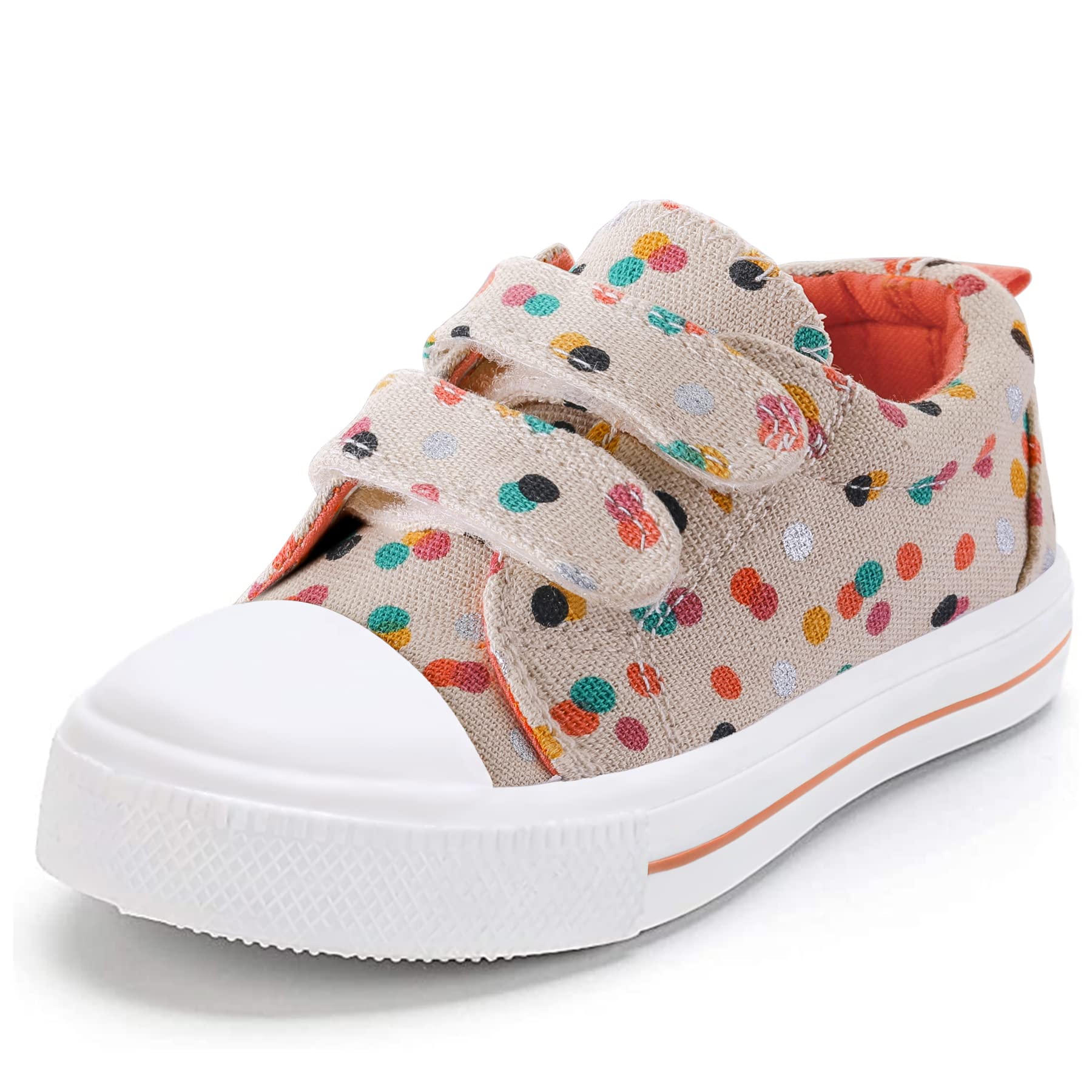
Rating: 4.5 ★ | Price: Budget | Ease of On/Off: Hook-and-loop | Durability: Peeling/sole separation
These sneakers win on affordability and sparkly design that toddlers adore, plus an easy hook-and-loop closure. However, the heavy, clunky build impedes natural walking, and durability reports note sole separation within weeks. Sizing runs large and inconsistent. They fit best for dressy occasions where a child won’t be walking much.
Pros
- Very affordable price point that parents appreciate.
- Cute, sparkly design that kids love.
Cons
- Durability is limited – sole separation and peeling reported with regular use.
Worth considering if you need an inexpensive, sparkly shoe for a special occasion where the child won’t be walking much, and you’re okay with limited longevity.
Best for Indoor Pre-Walkers
Hstyle Sock Shoes
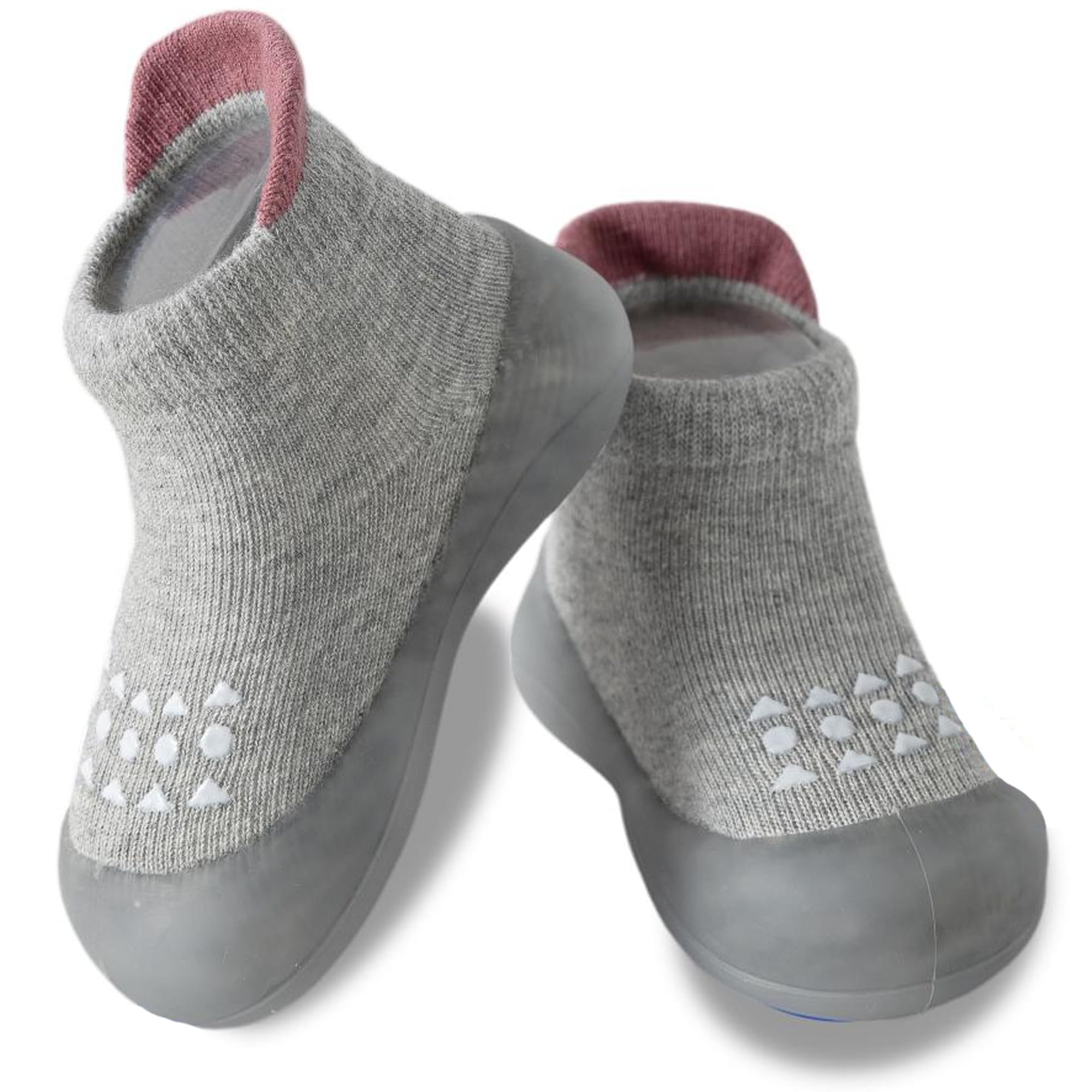
Rating: 4.5 ★ | Price: Budget | Ease of On/Off: Slip-on (no straps) | Durability: Sole/stitching failure | Traction: Non-slip
This sock shoe costs next to nothing and slips on easily, making it ideal for babies who aren’t yet walking confidently. However, the soft rubber sole lacks grip on smooth floors, and the shoe can slide off during movement – a safety concern for new walkers. Sizing also runs large, requiring careful ordering. It’s a fine backup or daycare shoe for stationary play, but not a substitute for a structured walking shoe.
Pros
- Easy to slip on and off – great for quick changes.
- Very affordable price – one of the cheapest options.
Cons
- Poor traction on hard floors – shoes slip off or cause stumbling.
Worth considering if you need an ultra-cheap indoor sock shoe for a pre-walker or as a backup, and you’re prepared to monitor slipping risk on smooth floors.
How to Choose
The most important thing to know is that a toddler’s walking shoe needs a flexible sole that allows natural foot movement—not a stiff sole that restricts motion.
Sole Flexibility
A flexible sole bends easily with the foot, encouraging proper walking mechanics. Look for shoes that you can twist and fold with minimal resistance. Stick with rubber or soft synthetic soles; avoid hard plastic bottoms that force the foot to work harder.
Ease of Putting On and Staying On
Hook-and-loop straps offer the best balance of secure hold and quick removal. Sock-style slip-ons are fast but often lack heel grip—they can slide off during active play. If your child fights shoe changes, a wide opening with two straps helps get the shoe on and keep it there.
Toe Box Width
A wide toe box lets toes splay naturally, which is critical for balance and foot development. Many budget shoes squeeze the toes; choose a brand that explicitly mentions a roomy toe area. Measure your child’s foot width and compare to the shoe’s stated dimensions.
Durability and Stitching Quality
Toddler shoes take a beating—especially at the toe and sole seams. Reinforced stitching and double-stitched seams hold up better. Be wary of very cheap shoes where the sole separates from the upper after just a few weeks of outdoor use.
Traction
Non-slip rubber soles provide grip on smooth indoor floors and pavement. Deep tread patterns help on grass or mulch but can be overkill for indoor-only use. Test the shoe on a hard floor: if it slides when you push, it won’t offer enough stability for a new walker.
FAQ
Do toddler walking shoes need to be flexible or sturdy?
Flexible is better for new walkers. A stiff shoe restricts natural foot movement and can cause tripping. Look for a sole that bends easily at the ball of the foot—this helps your toddler feel the ground and develop balance. Sturdy construction is important for durability, but the sole should still be pliable.
Why do my baby’s shoes keep falling off even though they’re the right size?
The most common cause is a heel that isn’t secured properly. Sock-style slip-ons and shoes with weak Velcro straps often fail to hold the heel in place. Choose a shoe with a snug heel counter and an adjustable strap over the instep. If the shoe still slips, it may be too wide or the lining is too slick.
Are barefoot shoes better for toddlers learning to walk?
Many parents and pediatricians favor barefoot-style shoes for their wide toe box, zero-drop sole, and flexibility—all of which allow the foot to move naturally. They are not ideal for rough terrain or very cold weather, but for indoor and paved surfaces they promote stronger foot muscles. Just ensure the shoe fits snugly at the heel to avoid slipping.
How long should toddler walking shoes last before falling apart?
A well-constructed toddler shoe should survive at least three to four months of daily wear before showing signs of sole separation or stitching failure. Many budget options fail within weeks. If you are on a tight budget, expect to replace shoes more frequently—prioritize fit and traction over longevity.